
China Reaffirms Crypto Ban: Tokenized Real-World Assets Now Targeted


China's Firm Stance on Cryptocurrency
China's relationship with cryptocurrency has been tumultuous in recent years, marked by a series of regulatory crackdowns and outright bans. The nation has once again reaffirmed its stringent stance, extending its ban on cryptocurrencies to include tokenized real-world assets. This move signals a further tightening of controls as the government seeks to mitigate financial risks and exert greater control over the digital economy.
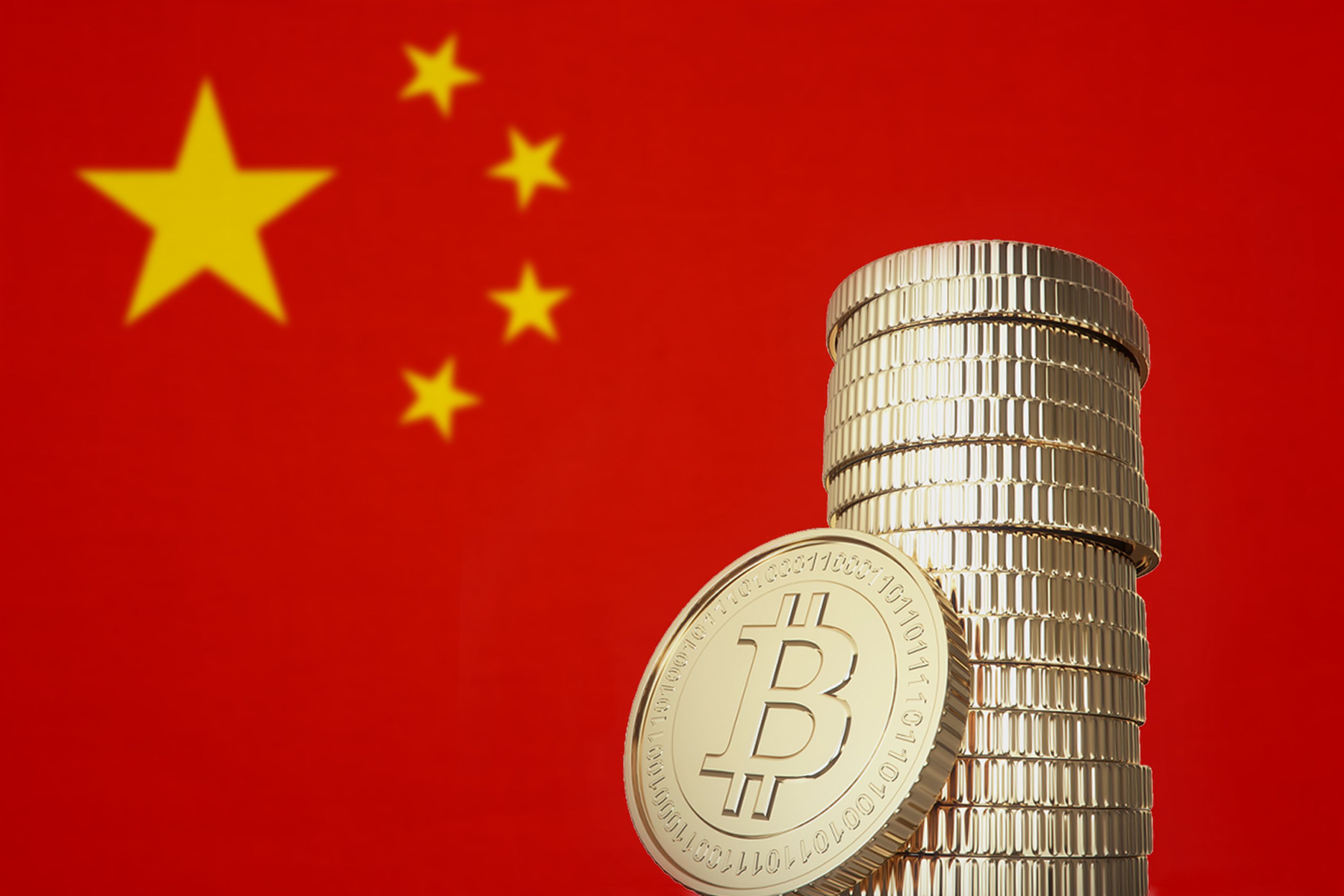
The latest announcement has sent ripples through the global crypto community, raising questions about the future of tokenized assets in one of the world's largest economies. As China continues to push for a centralized digital currency, the government is keen on eliminating decentralized digital alternatives that could challenge its financial sovereignty.
Understanding Tokenized Real-World Assets
Tokenization refers to the process of converting physical assets into digital tokens on a blockchain. These tokens represent ownership or a share of an asset, such as real estate, art, or commodities. This innovation has been heralded for its potential to democratize access to various asset classes, providing liquidity and transparency.
However, with the new regulations, China is targeting these tokenized assets, viewing them as an extension of cryptocurrencies. The government's concerns revolve around potential risks, including fraud, money laundering, and financial instability, which they believe are exacerbated by the decentralized nature of these assets.
Implications for the Global Market
The reaffirmation of the crypto ban in China has significant implications for the global market. As a major player in the crypto industry, China's policies can significantly influence market trends and investor sentiment. The targeting of tokenized assets could dampen innovation and investment in blockchain technologies within the region.
Moreover, international companies engaged in crypto and blockchain ventures may need to reassess their strategies in China. With stricter regulations, businesses might face increased compliance challenges, leading to a potential slowdown in partnerships and collaborations.

Potential for Innovation Elsewhere
While China's stringent measures may stifle local innovation, other countries could potentially benefit. Nations with more crypto-friendly regulations might attract businesses and talent looking to explore blockchain technology and tokenization without the fear of regulatory backlash.
Countries like Singapore, Switzerland, and Malta have positioned themselves as crypto hubs, offering supportive regulatory frameworks. These regions could see an influx of projects and investments as companies seek more conducive environments for growth and development.
The Future of Digital Assets
As China continues to clamp down on cryptocurrencies and tokenized assets, the global community is watching closely to see how these developments will unfold. The future of digital assets may hinge on the balance between regulatory oversight and innovation.
Ultimately, the evolution of blockchain technology and digital assets will depend on how governments worldwide choose to engage with these innovations. While China's approach is clear, it remains to be seen how other nations will navigate the complex landscape of digital finance.