
Decentralized Sequencer Network: Pioneering a New Era in Layer 2 Transactions


Understanding the Role of Decentralized Sequencer Networks
The rise of decentralized sequencer networks is ushering in a transformative era for Layer 2 transactions. These networks play a crucial role in enhancing the scalability and efficiency of blockchain operations, addressing some of the most pressing challenges faced by traditional blockchain systems.
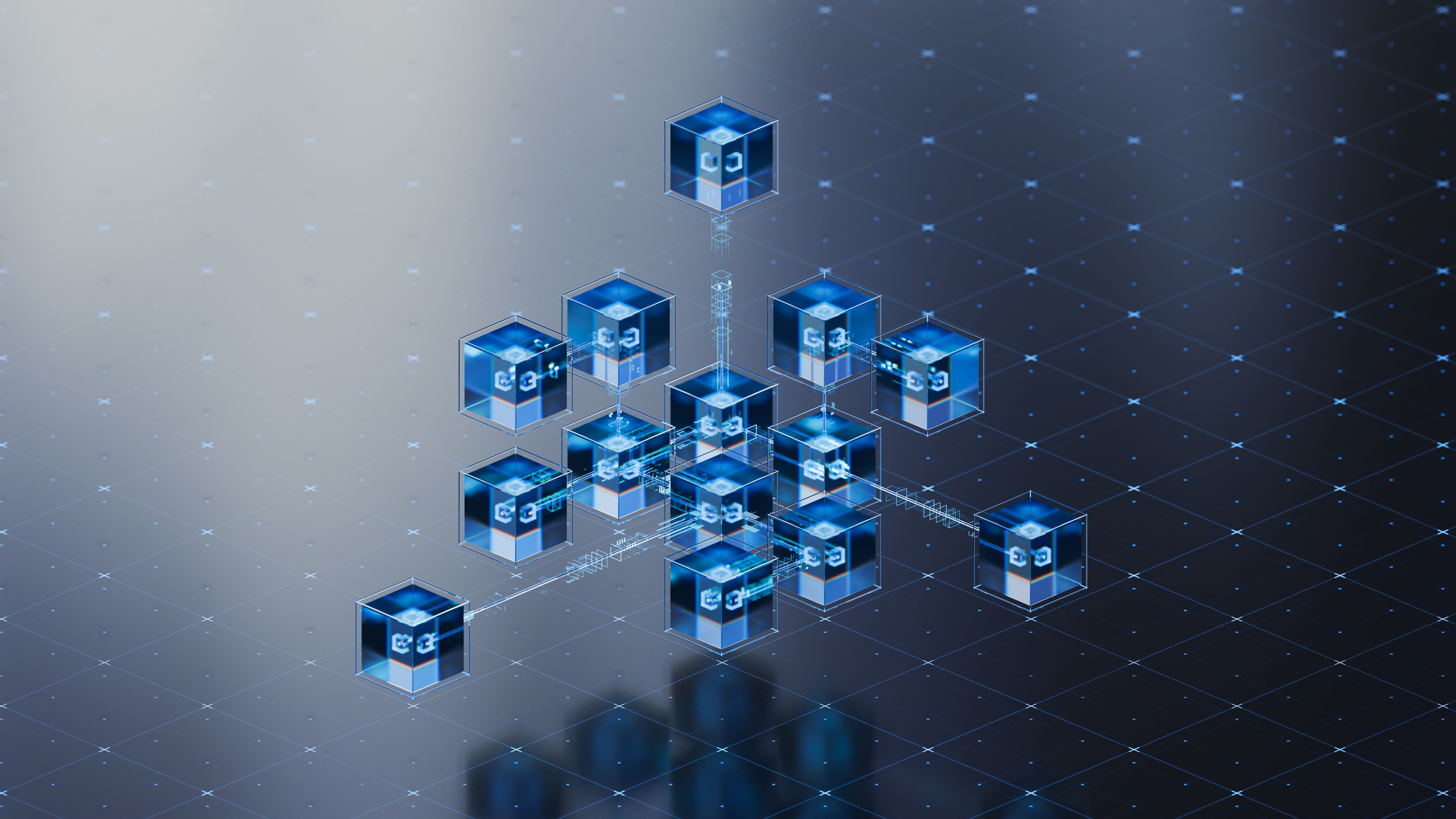
Decentralized sequencer networks are designed to manage the order of transactions in a distributed manner. Unlike centralized sequencers, which can become bottleneck points, decentralized sequencers distribute the task, ensuring greater resilience and reliability.

How Decentralized Sequencers Enhance Layer 2 Solutions
Layer 2 solutions are essential for scalability, allowing blockchains to process more transactions without sacrificing security. Decentralized sequencers contribute significantly to this process by optimizing transaction ordering, which reduces congestion and latency issues.
By decentralizing the sequencing process, these networks mitigate the risks associated with single points of failure. This ensures continuous operation even if some nodes go offline, maintaining the integrity and speed of transactions.
Benefits of Decentralized Sequencer Networks
The implementation of decentralized sequencer networks offers multiple benefits to blockchain ecosystems. Here are some key advantages:
- Scalability: By distributing the sequencing task, these networks enhance the throughput of Layer 2 solutions.
- Security: Decentralized systems are inherently more secure, reducing the risk of attacks on a single point.
- Resilience: The distributed nature means that the network can withstand node failures without disrupting service.
Challenges and Considerations
While the benefits are clear, there are challenges to consider with decentralized sequencer networks. One primary concern is the coordination among nodes to ensure consensus and prevent conflicts in transaction ordering.
Moreover, achieving a balance between decentralization and performance can be complex. Ensuring that the network remains efficient while being fully decentralized requires innovative algorithms and robust infrastructure.
The Future of Layer 2 Transactions
The adoption of decentralized sequencer networks is likely to grow as blockchain technology continues to evolve. These networks represent a promising avenue for enhancing Layer 2 solutions, potentially transforming how transactions are processed in the blockchain ecosystem.
As more projects explore and implement these networks, we can expect further advancements in scalability and efficiency, paving the way for broader blockchain adoption in various industries.

Conclusion
Decentralized sequencer networks are at the forefront of blockchain innovation, addressing key limitations of traditional systems. By enhancing scalability, security, and resilience, they are pioneering a new era in Layer 2 transactions. As the technology matures, it will continue to shape the future of decentralized applications and services.